

The murderous attacks on its own people by the Iranian state was in response to mass protests against “Austerity” policies that like everywhere else are aimed at the poorest people but their suffering has been exacerbated by shortages of water. The state even talked of having to evacuate the capital Tehran. There has been mismanagement of water provision but this in the context of drought as a consequence of man-made climate change across the whole region. The “quality” media of the Western world talks of too much water being used by a self-sufficient agricultural policy as if self-interested suggesting high capital high input monocropping was a solution regardless and that the widespread evidence of regional drought and where and average temperatures in its cities between 1990 and 2022 have risen about twice as fast as the global rate. Heatwaves of 50 celsius(122 degrees Fahrenheit)were common during the summer
State mismanagement has been ascribed to an over reliance on dam-building and the “abandonment” of Iran’s ancient qanat aquifer system that began with the previous Shah of Iran and government and continued by the regime of the murderous patriarchs. Major dams were constructed on rivers too small to sustain them, the authorities brought short-term relief at the cost of longer-term water loss: evaporation from reservoirs increased while upland areas were deprived of water. National dam-building itself creates regional conflicts. In the case of Iran the completion by Afghanistan’s Taliban regime (a country whose capital Kabul faces a water crisis) finally oversaw the completion of the Pashdan Dam on the Harirud River,. The Harirud flows from Afghanistan into eastern Iran, but the operation of the dam places the Taliban in control of 80% of the flow down the river, meaning they could decide the water supplies to major cities including Mashhad, Iran’s second largest. Afghanistan is also building a very big canal, the Qosh Tepa canal, to divert water from the Amu Darya River, which if put into operation will significantly reduce flows to the central Asian republics of Uzbekistan, Tajikistan and Kyrgyzstan.
Man-made Climate change will test the truly civilized water diplomacy that allows for agreements such as that over the water of the River Nile between Ethiopia, Sudan and Egypt that have survived local conflicts over power and resources. They are likely to test the 1944 agreement between the USA and Mexico over the waters of The Colorado River and the Rio Grande.
Elsewhere they are both cause and effect of conflict as in tensions over an Indus River water-sharing treaty between India and Pakistan after a terrorist attack Elsewhere water has been weaponized: Russia targeting hydropower dams in Ukraine as well as the infrastructure that delivers water; Israel has systematically targeted water systems and desalination plants and blocked repairs. Wastewater contaminated drinking water due to the destruction of sewage and storm water infrastructure, and people have been attacked while waiting or queueing for water. It has a colonial history of stealing Palestinian water, now it is a weapon of war and invasion.
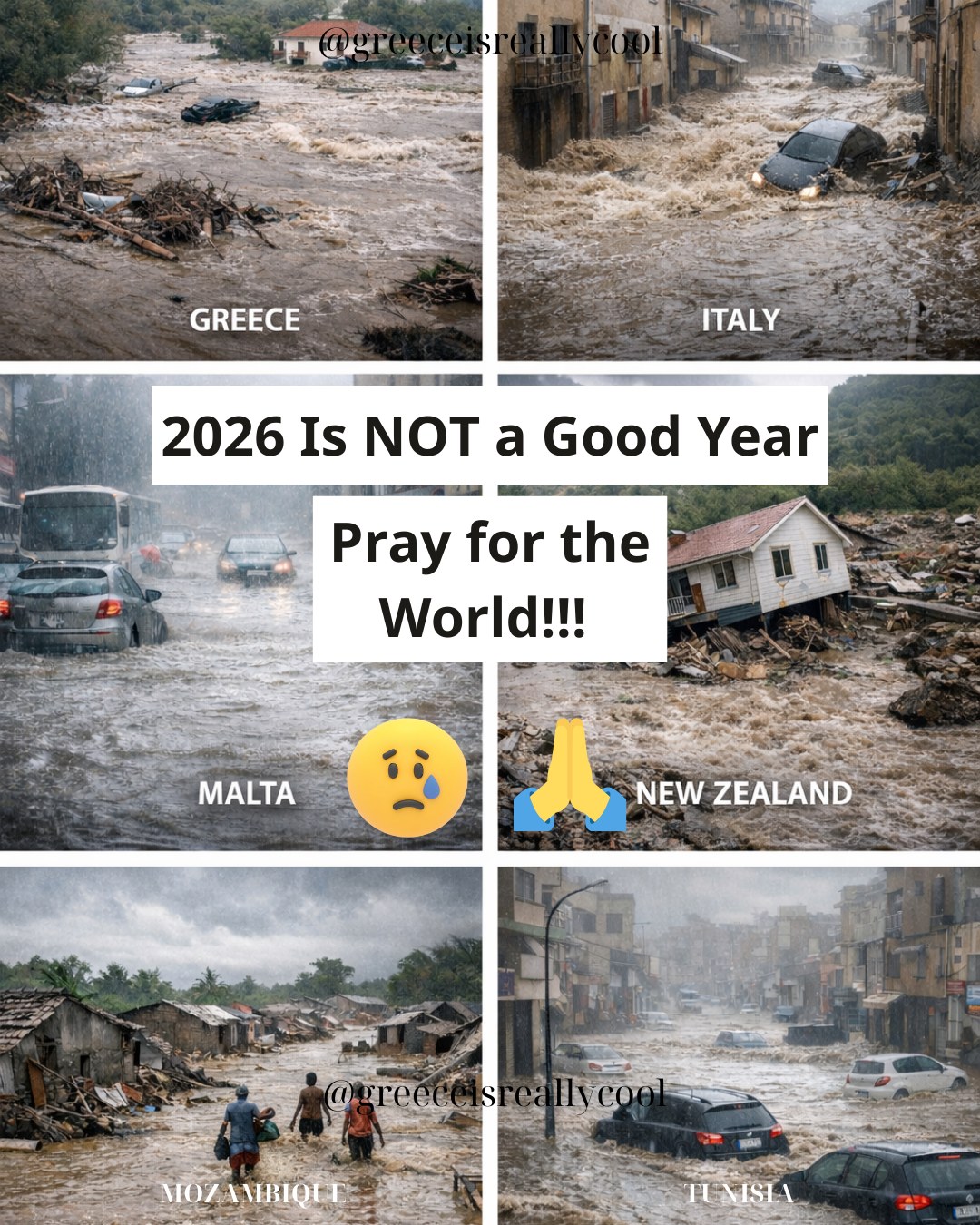
Not sure that prayers will help but cycles of drought followed by heavy rain make floods more destructive.Mozambique contributes only 0.21% to glCobal CO2 emissions, and 0.01% of historical emissions.but has beenbattered by 15 major flood events over the past 5 years, affecting 5 million people – 15% of the entire population.The current floods have impacted 620,000 people, and destroyed 72,000 homes as well as roads, schools, hospitals and other vital infrastructure. particularly in southern and central regions, with 12 deaths recorded so far300,000 displaced by floods in one province. leading to shortages and price hikes, including of basic foodstuffs, coconut and fuel – even as far away as the north-western city of Tete, more than 1,500km from the capital, Maputo.
Sewage-contaminated drinking water is being blamed for killing at least 10 people, including a baby boy, and sending more than 270 others to hospital in a lower-income neighbourhood in Indore , ranked India’s “cleanest city” for the last eight years. Authorities say a public toilet constructed above a drinking water pipeline appears to have allowed sewage to seep into the supply. The toilet was built without a septic tank. The job of cleaning septic tanks in India is one of the most dangerous in the world.
The Indore crisis comes amid broader concerns over water safety nationwide. The Times of India reported that only 8% of public water-testing laboratories run by the Delhi government were accredited by the National Accreditation Board for Testing and Calibration Laboratories, which certifies facilities meeting international quality-control standards In Britain privatized water companies deal with heavy rainfall by discharging sewage into rivers and sea coasts.